
Cargo Consolidation and Deconsolidation
Cargo consolidation:
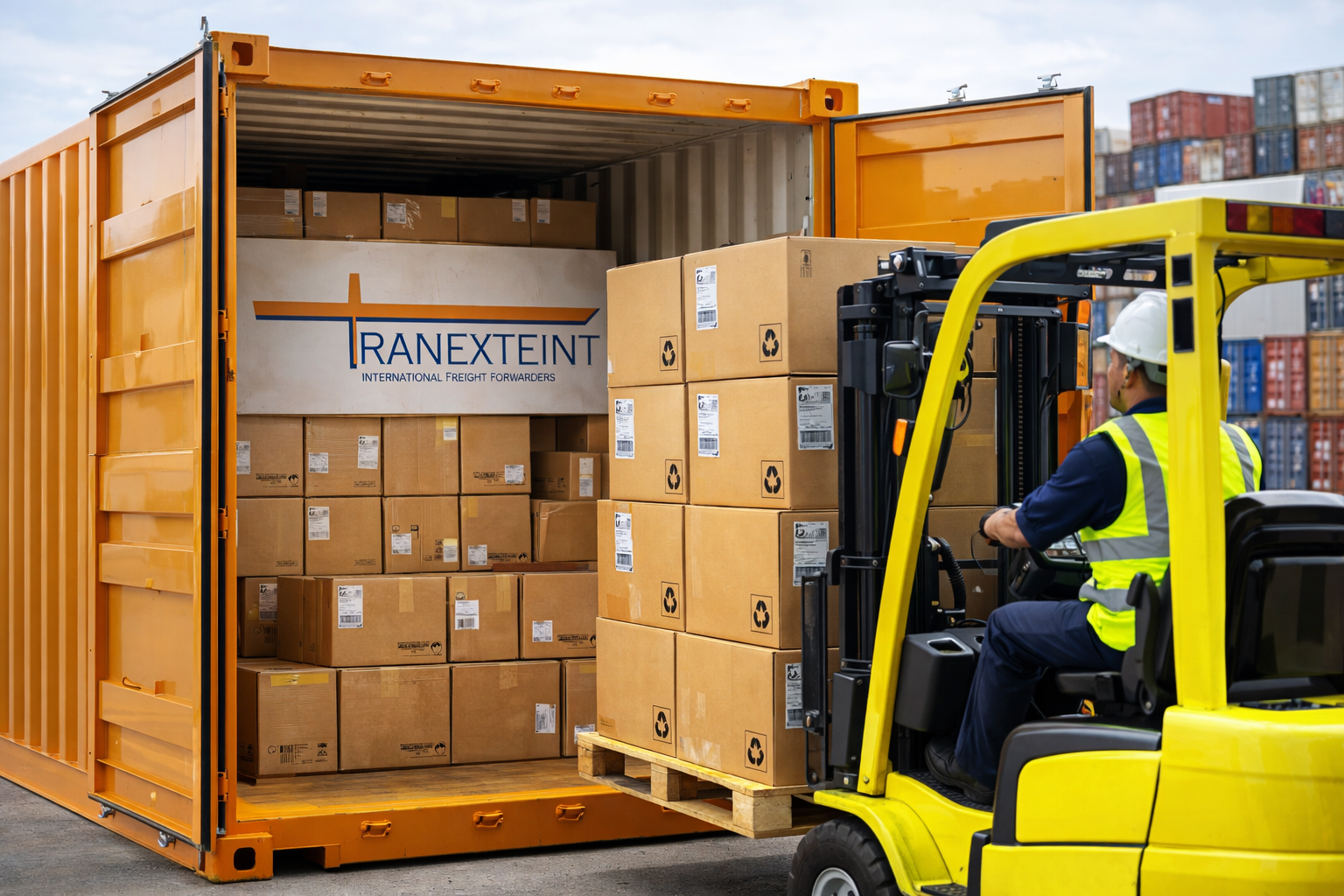
This is the process of combining shipments from different shippers into a single movement, which may be destined to one or multiple consignees. Consolidation maximizes available space (for example, inside a container) and helps reduce transportation and operational costs, provided that the goods are compatible in terms of nature, handling requirements, and destination.
Beyond space optimization, consolidation improves logistical efficiency: it supports better planning, increases equipment utilization, and can speed up dispatch—especially for small to medium shipment volumes.
Cargo deconsolidation:
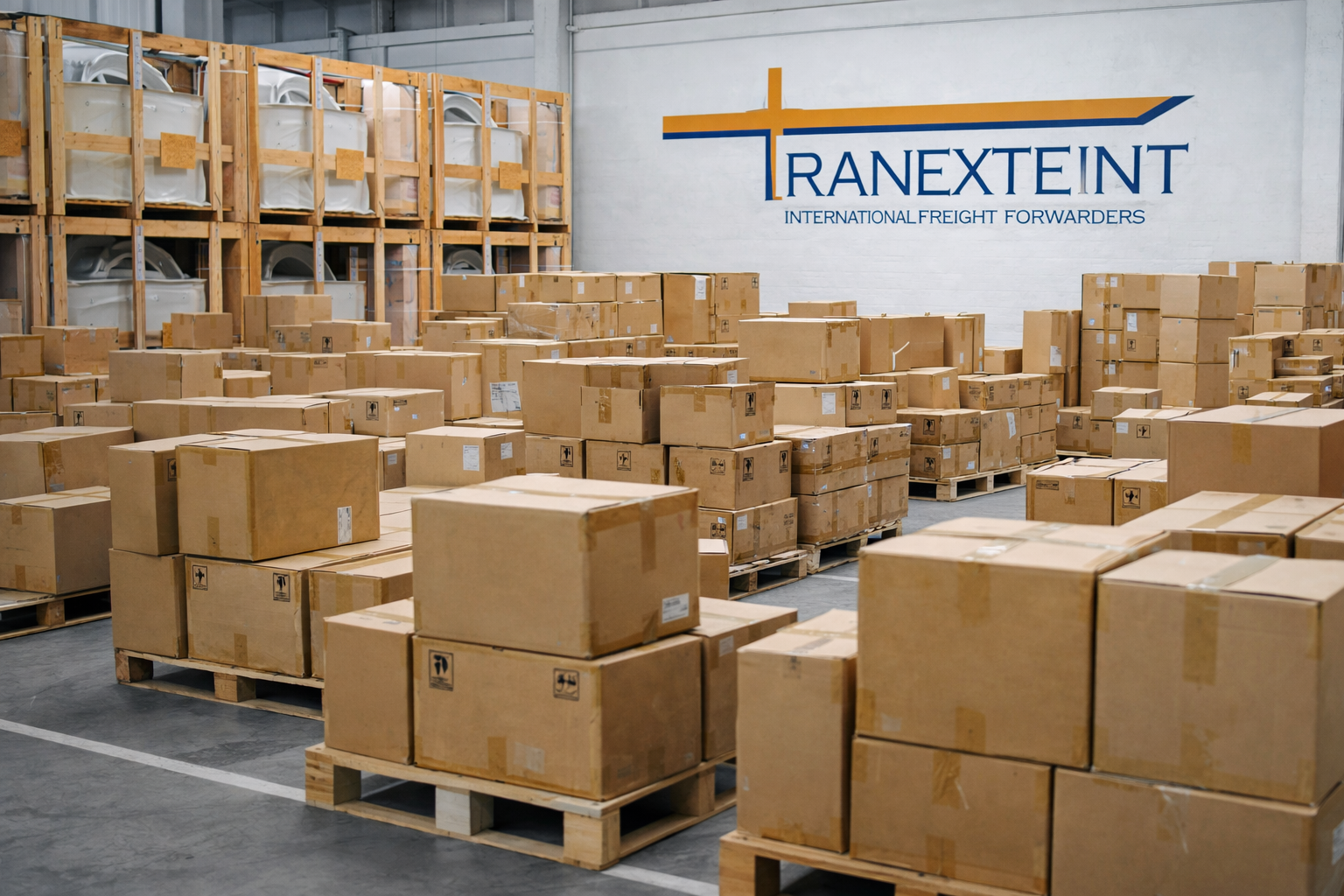
This is the reverse process. It involves breaking down a consolidated shipment that travels under one master transport document, in order to present each shipment separately according to the final consignees. At this stage, each portion is individualized under its corresponding “house” (child) transport document, enabling proper management, customs control, and final delivery.
Deconsolidation operations must be carried out in primary customs zones or other authorized customs operational areas. Warehouses, yards, and facilities located within the primary customs zone of ports and airports are legally considered temporary storage facilities, and therefore the handling process must strictly comply with the procedures and controls required by the customs authority.
ask for your budget of services
We are always open to new connections and ready to build a productive partnership. Leave your contact details and we will reply as soon as possible.